

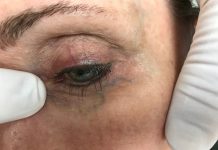
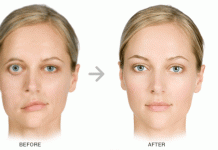
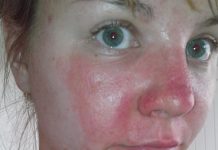
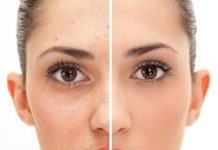






Varicose veins are usually thought of as occurring only on peoples legs however you can get them in other locations including your face where they are commonly referred to as facial veins. The causes of each are different.
Just like many conditions, many people may find themselves asking whether or not they are at risk of developing varicose or facial veins. Whilst they may feel that they come out of nowhere, the truth is that there are some people who are more at risk of developing varicose veins than others.
Why Do Varicose Veins Occur?
Varicose veins in the legs occur when the valves in the veins start to fail. Rather than helping your blood to flow back up the body by opening and closing at the right time, these valves do not act as they should. Blood starts to flow back through the veins which leads to it pooling and causes the veins to swell and for you to see varicose veins. This is why they are relatively common on peoples legs as that is lowest part of your body.
Facial veins are no caused by valve failures. They are more likely to be caused by genetics or environmental conditions.
What Are The Risk Factors?
It is a common misconception that it is only the elderly who are at risk of developing varicose veins. Of course, much like many things within our bodies, as we age so do our veins; but that doesn’t mean that it is only the older generations who are at risk.
Leg varicose veins.
- Women who are taking hormone medication. Women who take contraceptive pills or who are on HRT are more likely to develop varicose veins.
- Those who have a strong family history of the condition. If you have family members who have developed varicose veins then chances are that you will develop them too. It is thought that those faulty valves which are the main cause of varicose veins are actually inherited, which means that you could, over time, develop them.
- People who suffer from Rosacea have a greater chance of developing varicose veins.
- Those who are overweight. If you are overweight or obese, then you are at an increased risk of developing varicose veins. This is because the additional weight that you are having to carry around is actually putting additional strain on the valves and on the vein walls. This means that they will show signs of wear and tear quicker and that varicose veins are much more likely.
- Those who have had blood clots in the past or damaged their veins. Any type of damage that has occurred within a vein is likely to increase your chance of developing varicose veins. This could be a blood clot or this could an injury that occurred within that particular vein.
- People with sedentary or standing jobs. If you are standing or sitting down for an extended period of time, then you are at a greater risk of varicose veins. Your legs are not moving, there is no circulation moving around your legs and the blood that needs to move up through your body has nowhere else to go but down.
- Pregnant women. During pregnancy, the baby will lay on the veins in your abdomen, which means that the blood will have a harder time coming through those veins from your legs. This can lead to it pooling in your legs rather than moving up the body.
Facial Veins
- Those who have a strong family history of the condition. If you have family members who have developed varicose veins then chances are that you will develop them too. It is thought that those faulty valves which are the main cause of varicose veins are actually inherited, which means that you could, over time, develop them.
- People who suffer from Rosacea have a greater chance of developing varicose veins.
- Sudden changes in altitude, temperature or humidity.
- Exposure to the sun.
It may feel like it is hard to protect yourself against varicose veins if you are within one of the at risk groups. However, much like many things in life, there are things that you can do to help.
Treatments
Facial veins can be a sign of an underlying condition so you should always go see a doctor to rule this out.
There is a range of possible treatment options. There are lots of creams for varicose veins which are designed to make the veins less conspicuous and less irritating. Make sure you buy a cream from an established manufacturer with plenty of good reviews to avoid you wasting your money or using a toxic ointment.
Some people may wish to to find a permanent solution that does not require the daily use of creams. For most cases of facial veins relatively noninvasive treatments like electrocautery or transdermal lasers can be effective. If the veins are very large and deep then a surgical procedure called phlebectomy is an option. Make sure you are assessed and treated by a qualified and registered dermatologist.